__ARMAJAXURL = "https://mumsrelle.com/wp-admin/admin-ajax.php";__ARMVIEWURL = "https://mumsrelle.com/wp-content/plugins/armember/core/views";__ARMIMAGEURL = "https://mumsrelle.com/wp-content/plugins/armember/images";__ARMISADMIN = [];__ARMSITEURL = "https://mumsrelle.com";arm_activatelicense_msg="Please Activate ARMember License";arm_nolicense_msg= "Please Activate ARMember License.";loadActivityError = "There is an error while loading activities, please try again.";pinterestPermissionError = "The user has not grant permissions or closed the pop-up";pinterestError = "Oops, there was a problem for getting account information";clickToCopyError = "There is an error while copying, please try again";fbUserLoginError = "User has cancelled login or did not fully authorize.";closeAccountError = "There is an error while closing account, please try again.";invalidFileTypeError = "Sorry, this file type is not permitted for security reasons.";fileSizeError = "File is not allowed larger than {SIZE}.";fileUploadError = "There is an error in uploading file, Please try again.";coverRemoveConfirm = "Are you sure you want to remove cover photo?";profileRemoveConfirm = "Are you sure you want to remove profile photo?";errorPerformingAction = "There is an error while performing this action, please try again.";userSubscriptionCancel = "User's subscription has been canceled";ARM_Loding = "Loading..";Post_Publish ="After certain time of post is published";Post_Modify ="After certain time of post is modified";wentwrong ="Sorry, Something went wrong. Please try again.";bulkActionError = "Please select valid action.";bulkRecordsError ="Please select one or more records.";clearLoginAttempts ="Login attempts cleared successfully.";clearLoginHistory ="Login History cleared successfully.";nopasswordforimport ="Password can not be left blank.";delBadgeSuccess ="Badge has been deleted successfully.";delBadgeError ="There is an error while deleting Badge, please try again.";delAchievementBadgeSuccess ="Achievement badges has been deleted successfully.";delAchievementBadgeError ="There is an error while deleting achievement badges, please try again.";addUserAchievementSuccess ="User Achievement Added Successfully.";delUserBadgeSuccess ="User badge has been deleted successfully.";delUserBadgeError ="There is an error while deleting user badge, please try again.";delPlansSuccess ="Plan(s) has been deleted successfully.";delPlansError ="There is an error while deleting Plan(s), please try again.";delPlanError ="There is an error while deleting Plan, please try again.";stripePlanIDWarning ="If you leave this field blank, stripe will not be available in setup for recurring plan(s).";delSetupsSuccess ="Setup(s) has been deleted successfully.";delSetupsError ="There is an error while deleting Setup(s), please try again.";delSetupSuccess ="Setup has been deleted successfully.";delSetupError ="There is an error while deleting Setup, please try again.";delFormSetSuccess ="Form Set Deleted Successfully.";delFormSetError ="There is an error while deleting form set, please try again.";delFormSuccess ="Form deleted successfully.";delFormError ="There is an error while deleting form, please try again.";delRuleSuccess ="Rule has been deleted successfully.";delRuleError ="There is an error while deleting Rule, please try again.";delRulesSuccess ="Rule(s) has been deleted successfully.";delRulesError ="There is an error while deleting Rule(s), please try again.";prevTransactionError ="There is an error while generating preview of transaction detail, Please try again.";invoiceTransactionError ="There is an error while generating invoice of transaction detail, Please try again.";prevMemberDetailError ="There is an error while generating preview of members detail, Please try again.";prevMemberActivityError ="There is an error while displaying members activities detail, Please try again.";prevCustomCssError ="There is an error while displaying ARMember CSS Class Information, Please Try Again.";prevImportMemberDetailError ="Please upload appropriate file to import users.";delTransactionSuccess ="Transaction has been deleted successfully.";cancelSubscriptionSuccess ="Subscription has been canceled successfully.";delTransactionsSuccess ="Transaction(s) has been deleted successfully.";delAutoMessageSuccess ="Message has been deleted successfully.";delAutoMessageError ="There is an error while deleting Message, please try again.";delAutoMessagesSuccess ="Message(s) has been deleted successfully.";delAutoMessagesError ="There is an error while deleting Message(s), please try again.";delCouponSuccess ="Coupon has been deleted successfully.";delCouponError ="There is an error while deleting Coupon, please try again.";delCouponsSuccess ="Coupon(s) has been deleted successfully.";delCouponsError ="There is an error while deleting Coupon(s), please try again.";saveSettingsSuccess ="Settings has been saved successfully.";saveSettingsError ="There is an error while updating settings, please try again.";saveDefaultRuleSuccess ="Default Rules Saved Successfully.";saveDefaultRuleError ="There is an error while updating rules, please try again.";saveOptInsSuccess ="Opt-ins Settings Saved Successfully.";saveOptInsError ="There is an error while updating opt-ins settings, please try again.";delOptInsConfirm ="Are you sure to delete configuration?";delMemberActivityError ="There is an error while deleting member activities, please try again.";noTemplateError ="Template not found.";saveTemplateSuccess ="Template options has been saved successfully.";saveTemplateError ="There is an error while updating template options, please try again.";prevTemplateError ="There is an error while generating preview of template, Please try again.";addTemplateSuccess ="Template has been added successfully.";addTemplateError ="There is an error while adding template, please try again.";delTemplateSuccess ="Template has been deleted successfully.";delTemplateError ="There is an error while deleting template, please try again.";saveEmailTemplateSuccess ="Email Template Updated Successfully.";saveAutoMessageSuccess ="Message Updated Successfully.";saveBadgeSuccess ="Badges Updated Successfully.";addAchievementSuccess ="Achievements Added Successfully.";saveAchievementSuccess ="Achievements Updated Successfully.";addDripRuleSuccess ="Rule Added Successfully.";saveDripRuleSuccess ="Rule updated Successfully.";pastDateError ="Cannot Set Past Dates.";pastStartDateError ="Start date can not be earlier than current date.";pastExpireDateError ="Expire date can not be earlier than current date.";couponExpireDateError ="Expire date can not be earlier than start date.";uniqueformsetname ="This Set Name is already exist.";uniquesignupformname ="This Form Name is already exist.";installAddonError ="There is an error while installing addon, Please try again.";installAddonSuccess ="Addon installed successfully.";activeAddonError ="There is an error while activating addon, Please try again.";activeAddonSuccess ="Addon activated successfully.";deactiveAddonSuccess ="Addon deactivated successfully.";confirmCancelSubscription ="Are you sure you want to cancel subscription?";errorPerformingAction ="There is an error while performing this action, please try again.";arm_nothing_found ="Oops, nothing found.";delPaidPostSuccess ="Paid Post has been deleted successfully.";delPaidPostError ="There is an error while deleting Paid Post, please try again.";armEditCurrency ="Edit";armCustomCurrency ="Custom Currency";armFileViewFileTxt ="View File";armEnabledPayPerPost ="";REMOVEPAIDPOSTMESSAGE = "You cannot remove all paid post.";ARMCYCLELABEL = "Label";LABELERROR = "Label should not be blank"
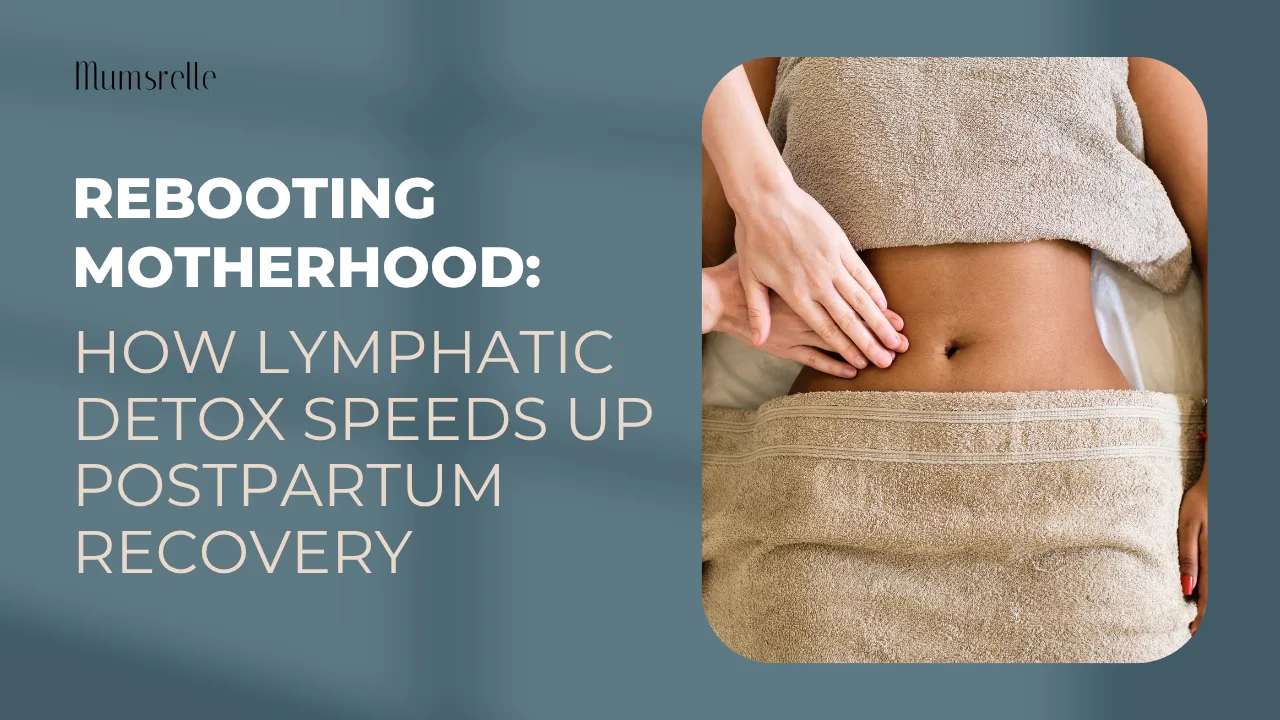
Looking into lymphatic detox for postpartum recovery after giving birth? If you’re dealing with water retention, puffiness or that heavy feeling in your body, lymphatic detox may be one option to consider as part of your postpartum care.
Motherhood is a special journey, but the weeks after giving birth can also feel overwhelming. Between sleepless nights, feeding your newborn and adjusting to changes in your body, recovery can sometimes take a back seat.
Postpartum swelling, water retention, body aches and a general feeling of heaviness are common concerns during this period.
But what exactly does lymphatic detox do, and how does it fit into postpartum recovery?
In this guide, we explain how the lymphatic system works, why swelling can happen after childbirth, what lymphatic detox may help with and when it may be suitable for new mums.
What Is Lymphatic Detox?
The lymphatic system is a network of vessels, tissues and organs that forms part of your immune system. One of its roles is to collect excess fluid from tissues and return it to the bloodstream.
Unlike the circulatory system, which uses the heart to pump blood around the body, the lymphatic system relies partly on muscle movement and other natural processes to keep lymph fluid moving.
Lymphatic detox treatments generally aim to support lymphatic drainage and circulation through targeted techniques.
For postpartum mums, the focus is often on concerns such as:
Water retention
Swelling or puffiness
Feelings of heaviness
Postpartum body changes
General relaxation and well-being
Rather than thinking of lymphatic detox as literally “removing toxins” from your body, it is more useful to understand it as a treatment designed to support your body’s natural lymphatic drainage process.
Why Does Swelling Happen After Giving Birth?
If your feet, ankles, legs or other parts of your body look puffier after delivery, you’re not alone.
During pregnancy, your body naturally carries more fluid than usual. Additional fluids may also be given intravenously during labour or a C-section.
After delivery, your body gradually gets rid of this excess fluid through urination and sweating. This process takes time, which is why some mums may continue experiencing swelling during the early postpartum period.
Hormonal changes, reduced physical activity and the body’s natural recovery process can also contribute to that heavy or bloated feeling.
While postpartum swelling often improves naturally, persistent, sudden or painful swelling should not simply be treated as normal postpartum water retention. Seek medical advice if you’re concerned about your symptoms.
How Does Lymphatic Detox Work?
At Mumsrelle, the treatment uses a combination of techniques designed to support circulation, lymphatic drainage and postpartum body care.
1. Warming and Preparation
The treatment begins by gently warming the targeted areas. This helps prepare your body and skin for the rest of the session.
2. Supporting Blood and Oxygen Flow
Targeted techniques are then used to promote circulation in the treatment area, supporting the body’s natural recovery processes.
3. Supporting Lymphatic Drainage
The treatment focuses on areas affected by water retention and postpartum puffiness to encourage the movement of accumulated fluid.
4. Supporting Skin and Body Recovery
The final stage focuses on postpartum body care, helping mums feel more relaxed and comfortable as their bodies gradually recover.
Each mum’s postpartum body is different, so the treatment and areas of focus may vary according to individual concerns.
What Are the Potential Benefits of Lymphatic Detox After Birth?
Lymphatic detox isn’t a shortcut to postpartum recovery. However, it can complement your overall recovery routine and may help address some common postpartum concerns.
Helps With Water Retention and Puffiness
One of the main reasons mums consider lymphatic treatments is postpartum water retention.
By supporting lymphatic drainage, the treatment may help relieve the heavy or puffy feeling associated with temporary fluid retention.
Supports Circulation
Pregnancy, delivery and spending more time resting during recovery can affect how active you are.
Lymphatic treatments are designed to support circulation, which can complement gentle movement and other healthy postpartum recovery habits.
Provides Time for Relaxation
Postpartum recovery isn’t only about how your body looks.
Taking time away from feeding schedules, nappies and daily responsibilities can give you an opportunity to rest and focus on yourself.
A treatment session can become part of your postpartum self-care routine, particularly once you’ve been cleared to resume suitable treatments.
Supports Postpartum Body Care
Pregnancy changes your abdomen, skin and overall body shape over many months. Naturally, these changes do not disappear immediately after birth.
For mums exploring a body slimming treatment in Singapore, lymphatic detox may also be considered as part of a broader postpartum body care routine, particularly when concerns include water retention, puffiness and changes in how the body feels.
It is important, however, to separate fluid reduction from fat loss. Lymphatic detox may help with temporary water retention, but it should not be treated as a direct weight-loss solution.
Lymphatic Detox vs Postnatal Massage: What’s the Difference?
Although both can form part of postpartum care, lymphatic detox and traditional postnatal massage generally have different focuses.
Lymphatic Detox
Postnatal Massage
Focuses on supporting lymphatic drainage
Focuses more broadly on postpartum body comfort
Often targets water retention and puffiness
May target muscle tension, aches and body recovery
Uses techniques aimed at supporting fluid movement
Usually involves traditional massage techniques
Can form part of postpartum body treatments
Commonly used during early postpartum recovery
Which option is more suitable depends on your stage of recovery, your concerns and your healthcare provider’s advice.
What to Expect From a Lymphatic Detox Session
Knowing what happens during a session can make it easier to decide whether the treatment suits you.
At Mumsrelle, each lymphatic detox session lasts approximately 60 minutes.
During your consultation, your therapist can discuss your postpartum concerns and determine which areas require more attention.
Some mums may notice that they feel lighter or more relaxed after treatment, while others may need multiple sessions before noticing changes.
Results vary from person to person depending on factors such as your stage of recovery, lifestyle, body condition and degree of water retention.
Most importantly, postpartum recovery should not be rushed. Your body has spent months changing throughout pregnancy and needs time to recover after delivery.
When Can You Start Lymphatic Detox After Giving Birth?
There is no single timeline that applies to every mum.
Factors such as whether you had a vaginal delivery or C-section, how your wounds are healing and whether you experienced pregnancy or delivery complications can affect when a treatment is suitable.
Mumsrelle generally recommends starting around one month after delivery, subject to individual recovery.
If you have had a C-section, have an unhealed wound or are unsure whether your body is ready, speak to your doctor before beginning treatment.
Getting medical clearance is particularly important if you’ve experienced complications during pregnancy, labour or postpartum recovery.
Can You Have Lymphatic Detox After a C-Section?
Potentially, but only once your body has had sufficient time to heal and your doctor considers it appropriate.
A C-section is major abdominal surgery. Your incision and surrounding tissues require time to recover, so treatments should not interfere with an unhealed or sensitive surgical area.
Always tell your therapist that you’ve had a C-section and discuss any ongoing pain, numbness, wound concerns or other symptoms before your treatment.
Who Should Avoid or Delay Lymphatic Detox?
Postpartum treatments are not suitable for everyone.
You may need to avoid or postpone treatment if you:
Are currently pregnant
Have an untreated infection or open wound
Have not sufficiently recovered from surgery
Use a pacemaker or certain electronic implants
Are undergoing cancer treatment
Take anticoagulant medication
Have impaired sensation in the treatment area
Have been advised by your doctor to avoid massage or body treatments
If you have an existing medical condition or experienced complications during pregnancy or delivery, consult your healthcare provider before starting.
When Is Postpartum Swelling a Cause for Concern?
Some swelling can occur after childbirth, but certain symptoms require medical attention rather than a wellness treatment.
Speak to a healthcare professional promptly if swelling:
Appears suddenly or becomes severe
Occurs mainly in one leg
Is accompanied by redness, warmth or significant pain
Happens together with chest pain or difficulty breathing
Occurs with a severe headache, vision changes or other unusual symptoms
Lymphatic detox should complement appropriate postpartum care, not replace medical assessment when something doesn’t feel right.
How Many Sessions Do You Need?
There isn’t a universal number of sessions because every mum’s body and recovery journey are different.
Some mums may simply want occasional sessions for relaxation and water retention, while others may prefer to incorporate lymphatic detox into a longer postpartum body recovery programme.
Factors that may influence your treatment plan include:
How long it has been since you gave birth
The amount of water retention you’re experiencing
Your postpartum body concerns
Your delivery and recovery
Your lifestyle and activity levels
Your personal goals
Instead of focusing on achieving a particular result within a set number of sessions, speak with your therapist about a treatment plan suited to your body.
How to Support Your Lymphatic System During Postpartum Recovery
Treatments aren’t the only way to support your body.
Simple everyday habits can also form part of your postpartum recovery.
Stay Hydrated
Drink enough fluids throughout the day, particularly if you’re breastfeeding.
Introduce Gentle Movement
Once your doctor says it’s safe, light walking can help you gradually become active again after delivery.
Eat Balanced Meals
Your body needs adequate nutrition during postpartum recovery, especially if you’re breastfeeding.
Prioritise Rest
This can be difficult with a newborn, but rest remains an important part of physical recovery.
Give Your Body Time
Perhaps most importantly, don’t compare your recovery timeline with someone else’s.
Pregnancy and childbirth affect every mum differently, and postpartum recovery is not something you need to complete within a few weeks.
Tips for Fitting Lymphatic Detox Into a Busy Mum’s Schedule
Life with a newborn can be unpredictable, so finding time for yourself may require some planning.
Try scheduling your appointment when your partner, family member or caregiver can look after your baby. If you’re breastfeeding, you can also plan your session around your baby’s usual feeding schedule.
Most importantly, don’t feel pressured to fit every type of postpartum treatment into your recovery.
Choose the support that makes sense for your body, schedule and personal needs.
Ready to Support Your Postpartum Recovery?
Your postpartum body needs time, rest and the right support as it adjusts after pregnancy and childbirth.
At Mumsrelle, our Deep Lymphatic Detox treatment is designed to complement postpartum recovery by supporting lymphatic drainage, circulation and common concerns such as water retention and puffiness.
If you’re considering a postpartum lymphatic detox treatment in Singapore, book a free body assessment with Mumsrelle. Our team can understand your postpartum concerns and recommend a suitable treatment plan based on your needs and recovery stage.
Frequently Asked Questions
What is postpartum lymphatic detox?
Postpartum lymphatic detox is a body treatment designed to support lymphatic drainage and circulation, particularly for mums experiencing water retention or puffiness after childbirth.
Does lymphatic detox help with postpartum swelling?
It may help support the movement of accumulated fluid and relieve feelings of puffiness or heaviness. However, unusual, painful or sudden swelling should be assessed by a healthcare professional.
When can I start lymphatic detox after giving birth?
Mumsrelle generally recommends around one month postpartum, depending on your recovery. Always seek medical advice if you’ve had a C-section, complications or are unsure whether you’re ready.
Can I do lymphatic detox after a C-section?
You may be able to once your incision and body have sufficiently healed. Get clearance from your doctor before beginning treatment after a C-section.
Is lymphatic detox the same as postnatal massage?
Not exactly. Lymphatic detox focuses more specifically on lymphatic drainage and fluid retention, while postnatal massage generally addresses broader postpartum body comfort and muscle tension.
How many lymphatic detox sessions do I need?
There is no fixed number. The appropriate frequency depends on your postpartum recovery, body concerns, water retention and personal goals.
Will lymphatic detox help me lose postpartum weight?
Lymphatic detox is not a weight-loss treatment. It may help with temporary water retention and puffiness, but postpartum fat loss depends on many other factors.
Does lymphatic detox have downtime?
Most mums can return to their normal routine after treatment. Your therapist should explain what to expect based on the specific treatment used and your individual condition.
var kirkiViewports = {"md":{"value":1200,"scale":1,"minWidth":1200,"maxWidth":1200,"title":"Desktop","icon":"desktop","activeIcon":"desktop-hover","id":"md","type":"max"},"tablet":{"value":991,"scale":1,"minWidth":991,"maxWidth":991,"title":"Tablet","icon":"tablet-default","activeIcon":"tablet-hover","type":"max","id":"tablet"},"mobileLandscape":{"value":767,"scale":1,"minWidth":767,"maxWidth":767,"title":"Landscape","icon":"phone-hr-default","activeIcon":"phone-hr-hover","type":"max","id":"mobileLandscape"},"mobile":{"value":575,"scale":1,"minWidth":575,"maxWidth":575,"title":"Mobile","icon":"phone-vr-default","activeIcon":"phone-vr-hover","type":"max","id":"mobile"}};
var kirkiCSSVariable = {"data":[{"title":"Colors","key":"color","modes":[{"title":"Default","key":"default"}],"variables":[]},{"title":"Numbers","key":"size","modes":[{"title":"Default","key":"default"}],"variables":[]},{"title":"Text Styles","key":"text-style","modes":[{"title":"Default","key":"default"}],"variables":[]},{"title":"Font Family","key":"font-family","modes":[{"title":"Default","key":"default"}],"variables":[]}]};
var fcaPcEvents = [{"triggerType":"post","trigger":["all"],"parameters":{},"pixel_type":"Facebook","event":"PageView","delay":"0","scroll":"0","apiAction":"trackCustom","ID":"20142111-d542-4bce-bfdb-b560408bf70e"}];
var fcaPcPost = {"title":"Rebooting Motherhood: How Lymphatic Detox Speeds Up Postpartum Recovery","type":"post","id":"3167","categories":["Blog","Facial","Slimming"]};
var fcaPcOptions = {"pixel_types":["Facebook Pixel"],"ajax_url":"https://mumsrelle.com/wp-admin/admin-ajax.php","debug":"","edd_currency":"USD","nonce":"b0035da5af","utm_support":"","user_parameters":"","edd_enabled":"","edd_delay":"0","woo_enabled":"","woo_delay":"0","video_enabled":""};
//# sourceURL=fca_pc_client_js-js-extra